
It’s 2:47 AM. Your phone buzzes. A guest at your vacation rental can’t figure out how to work the smart lock—and they’re standing outside in the rain with two tired kids and a car full of luggage.
What happens next determines whether you get a five-star review or a one-star complaint. It also determines whether you get any sleep tonight.
Fast response matters: Airbnb requires Superhosts to respond to 90% of messages within 24 hours, and response rate directly impacts your search visibility. Properties with fast response times consistently see higher occupancy rates, better reviews, and improved platform rankings—Superhosts earn 60% more daily revenue than regular hosts.
The challenge? Guest problems don’t follow a 9-to-5 schedule. And for vacation rental owners, being “always on” isn’t sustainable.
This guide covers everything you need to know about providing 24/7 guest support—from handling it yourself to knowing when it’s time to hire professional help.
Key Takeaway: You don’t have to personally answer every 2 AM message. But you do need a system that ensures guests always get help when they need it. This guide shows you how to build that system.
What Is 24/7 Guest Support for Vacation Rentals?

24/7 guest support means having a system in place to respond to guest needs at any hour—whether that’s a question about the coffee maker at 7 AM or a lockout at midnight. It doesn’t necessarily mean you personally answer every call. It means guests always have a way to get help when they need it.
Effective vacation rental guest communication includes:
- Pre-arrival information so guests know what to expect
- Real-time availability for questions and issues during their stay
- Emergency protocols for urgent situations
- Post-stay follow-up to encourage reviews and repeat bookings
The goal is simple: guests feel supported, problems get solved quickly, and your property stays protected—whether you’re awake or not.
Why Vacation Rental Guest Communication Matters
Guest Experience and Reviews
Guests don’t plan their problems around business hours. Issues arise when they arise:
- Late arrivals after flight delays need check-in help at midnight
- Access problems typically happen at night when most check-ins occur
- System failures like HVAC or WiFi follow no schedule
- Emergencies can’t wait until morning
A guest locked out at midnight needs help at midnight—not at 9 AM the next day. According to Airbnb’s host resources, response time is one of the top factors affecting your search ranking and Superhost eligibility.
The data is clear: Vrbo’s communication policy states that travelers are more likely to book and less likely to cancel with hosts who respond quickly—and they require responses within one hour during arrival windows. Fast response isn’t just good service—it’s good business.
Property Protection
Quick response prevents small problems from becoming expensive disasters:
| Issue | Caught Early | Caught Late |
|---|---|---|
| Water leak | Hundreds in damage | Thousands in damage |
| HVAC failure | Simple repair | Frozen pipes or heat damage |
| Security issue | Resolved safely | Property damage or liability |
| Appliance malfunction | Quick fix | Fire or flooding risk |
The 2 AM text about a running toilet could save you from a $5,000 water damage repair. That’s why emergency preparedness and fast communication go hand in hand.
Competitive Advantage
In a market full of “contact us during business hours” properties, 24/7 availability stands out:
- Booking confidence: Guests feel safer booking knowing help is available
- Platform rankings: Fast response times improve search visibility on Airbnb and VRBO
- Review impact: “They answered immediately when we had an issue” appears constantly in 5-star reviews
- Repeat bookings: Guests remember how they were treated during problems
How we handle it: At Weekender Management, our average response time is under 15 minutes—even at 2 AM. That’s helped our managed properties maintain a 4.92-star average across 3,800+ guest reviews. Learn about our approach →
3 Levels of Guest Support for Short-Term Rentals
Not all properties need the same coverage. Match your support level to your property type and guest expectations.
Level 1: Emergency-Only Support
What it covers: True emergencies—safety issues, no access, major system failures
How it works:
- Provide emergency contact number
- Screen calls for actual emergencies
- Handle urgent issues only
Best for: Simple properties, local owners who can respond quickly, budget-conscious hosts
Estimated time commitment: 1-3 hours/month for most properties
Level 2: Problem Resolution Support
What it covers: Any issue affecting the guest experience
How it works:
- Answer calls and messages for any reported problem
- Troubleshoot remotely when possible
- Dispatch help for issues requiring on-site response
Best for: Most vacation rentals, especially properties with smart home systems or amenities that might fail
Estimated time commitment: 5-10 hours/month depending on property complexity and booking volume
Level 3: Concierge-Level Support
What it covers: All guest needs, including non-emergencies
How it works:
- Proactive communication throughout the stay
- Restaurant reservations, activity booking assistance
- Anticipating needs before they become problems
Best for: Luxury properties, premium pricing tiers, guests paying $500+/night
Estimated time commitment: 15-20+ hours/month
Common Vacation Rental Guest Issues (And How to Handle Them)
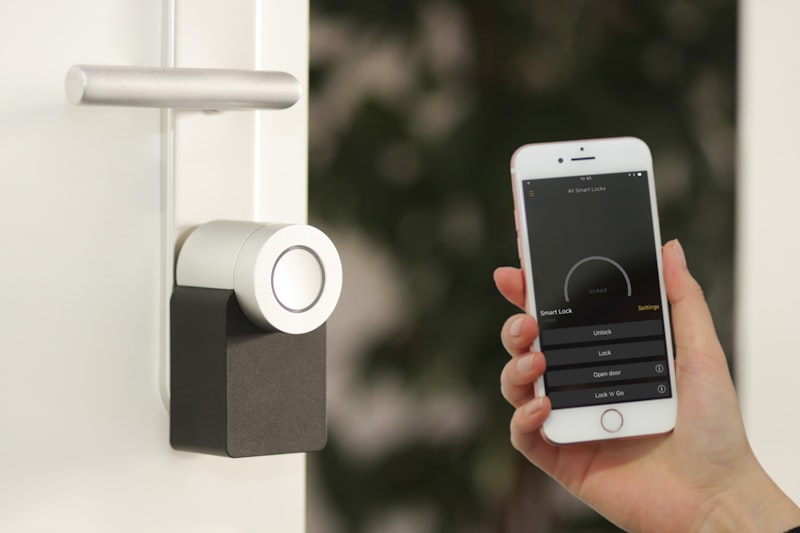
Based on thousands of guest interactions, here are the most common issues and how to resolve them:
Access and Lock Problems
Frequency: Very common (especially with smart locks)
Solution: Have a backup access method, keep spare keys with a trusted neighbor, and ensure your lock has fresh batteries before every guest. Document your check-in process clearly.
WiFi and Connectivity Issues
Frequency: Common
Solution: Provide clear router location and reset instructions. Consider a backup hotspot for tech-dependent guests. Include network name and password in multiple locations.
HVAC Not Working Properly
Frequency: Seasonal spikes
Solution: Document thermostat instructions clearly with photos. Have an HVAC technician on call for after-hours emergencies. Include troubleshooting steps in your welcome guide.
Noise Complaints (From or About Guests)
Frequency: Occasional
Solution: Set clear quiet hours in house rules. For neighbor complaints, address immediately to protect your relationship with the community. See our guide on handling noise complaints for detailed strategies.
Cleanliness Concerns
Frequency: Occasional
Solution: Have a backup cleaner available. Offer to send someone immediately or provide a partial refund for minor issues. Maintain high cleaning standards to prevent issues.
”How Do I Work the…?”
Frequency: Very common
Solution: Create a digital guidebook with photos and videos for every appliance, TV, and system. A good welcome book prevents most of these calls.
5 Ways to Provide After-Hours Vacation Rental Guest Support
Option 1: Handle It Yourself
How it works: Your phone is the emergency line. You respond to all after-hours issues personally.
Pros:
- No additional cost
- Direct control over guest experience
- Personal relationship with guests
Cons:
- Always on call (even on your own vacations)
- Sleep disruption affects your health and other work
- Not scalable beyond 1-2 properties
Making it work:
- Use Do Not Disturb with emergency breakthrough settings
- Set clear expectations about response time (e.g., “within 30 minutes for emergencies”)
- Have backup contacts for when you’re unavailable
Reality check: Self-managing owners often underestimate the time commitment. Track your actual hours for a month before deciding if this is sustainable.
Option 2: Shared Responsibility with a Co-Host
How it works: Rotate on-call duty with a partner, friend, or paid co-host. Each person covers specific nights or weeks.
Pros:
- Shared burden allows for personal time
- Coverage during your vacations or illness
- More sustainable than solo hosting
Cons:
- Requires reliable, trustworthy partners
- Potential for inconsistent guest experience
- Coordination overhead
Making it work:
- Create clear written protocols for what constitutes an emergency
- Share access to all property information and vendor contacts
- Compensate co-hosts fairly for their on-call time
Option 3: Automated First Response Systems
How it works: Automated messages handle common questions. Humans step in for issues automation can’t solve.
Pros:
- Immediate response to common issues
- Reduces middle-of-night wake-ups significantly
- Scales easily across multiple properties
Cons:
- Can feel impersonal if overused
- Doesn’t handle novel situations well
- Requires upfront setup time
Tools to consider:
- Hospitable: Automated messaging with smart triggers
- Hostaway: Channel management with built-in automation
- Your phone’s scheduled messages: Free option for basic automation
Industry insight: According to Aeve AI research, hosts managing 3-5 properties receive 40-60 daily messages, requiring 2-4 hours of response time. Automation can reduce this by 70-90%.
Option 4: Professional Answering Service
How it works: A third-party service answers calls 24/7, follows your protocols, and escalates as needed.
Pros:
- True 24/7 coverage by trained professionals
- No personal sleep disruption
- Consistent, professional response
Cons:
- Monthly cost ($100-300+ depending on volume)
- Less personalized than owner response
- May lack property-specific knowledge
What to look for: Services specializing in vacation rentals or hospitality, not generic answering services.
Option 5: Professional Property Management
How it works: A property management company handles all guest communication as part of their service. 24/7 support infrastructure is built in.
Pros:
- Complete, professional coverage
- Experienced handling of all situation types
- Scalable to any number of properties
- You’re truly hands-off
Cons:
- Management fees (typically 20-30% of revenue)
- Less direct control over guest interactions
Best for: Owners who want passive income, have multiple properties, live far from their rental, or simply value their time and sleep. Learn more about whether a property manager is worth it.
Tired of being on-call? See how Weekender Management handles guest support →
Signs You Need Professional Guest Support
If any of these sound familiar, it might be time to consider professional help:
- You’ve missed important messages because you were asleep, traveling, or busy
- Guest issues have caused negative reviews
- You feel anxious when your phone buzzes
- You haven’t taken a real vacation since you started hosting
- Your response time has slipped below platform requirements
- You’re managing 3+ properties and struggling to keep up
- You live far from your rental property
There’s no shame in admitting that 24/7 availability isn’t sustainable for you personally. Professional management exists precisely because this is hard.
How to Build a Guest Communication System

Whether you handle support yourself or hire help, you need these foundational elements:
Essential Documentation
Property manual covering:
- How to troubleshoot common issues (with photos)
- Location of breaker box, water shutoff, gas shutoff
- Equipment manuals and reset procedures
- WiFi password and network name
Emergency protocols defining:
- What constitutes a true emergency vs. an inconvenience
- Step-by-step responses for each emergency type
- When to dispatch someone vs. troubleshoot remotely
- When to involve emergency services (911)
Vendor contact list including:
- 24-hour locksmith
- Emergency plumber
- HVAC emergency service
- Electrician
- Local handyman willing to respond after hours
- Trusted neighbor or local contact
Need help creating these? Our guide on setting up a vacation rental covers documentation essentials.
Setting Guest Expectations
Clear communication prevents unnecessary middle-of-the-night contacts:
Before arrival:
- Send detailed check-in instructions with troubleshooting tips
- Clarify who to contact for what (and what can wait until morning)
- Provide your response time expectations
- Set proper expectations to reduce issues
At the property:
- Post a quick reference guide for common issues
- Display emergency contact information prominently
- Include troubleshooting steps for smart home systems
In your listing:
- Note your support availability as a selling point
- Set realistic response time expectations
Defining What’s Actually an Emergency
Help guests (and yourself) understand the difference:
True emergencies requiring immediate response:
- Cannot access the property
- Safety concerns (break-in attempt, gas smell, fire)
- Major water leak or flooding
- No heat when temperatures are below freezing
- No A/C when temperatures exceed 90°F
- Medical emergency requiring local knowledge
Urgent but can wait 1-2 hours:
- HVAC running but not reaching comfortable temperature
- Hot tub not heating
- Internet outage
- Appliance malfunction (unless creating safety hazard)
- Noise disturbance
Can wait until morning:
- Minor maintenance requests
- Questions about local restaurants or activities
- Suggestions or feedback
- Non-urgent supply requests
Maintaining Your Sanity as a Vacation Rental Host

Protect Your Sleep
If you’re the primary contact:
- Use different ringtones: Emergency line breaks through Do Not Disturb, regular inquiries wait
- Create a screening message: “For emergencies, press 1. For all other questions, leave a message and we’ll respond by 9 AM.”
- Set clear boundaries: “We respond to non-emergency messages during business hours”
Reduce Unnecessary Contacts
Many after-hours contacts are completely preventable:
- Improve your instructions: If guests keep asking how to work the TV remote, your guide needs better documentation
- Send proactive messages: Text the afternoon of check-in with key reminders
- Check in after arrival: A quick “Did you get settled in okay?” catches issues before they escalate
- Invest in intuitive systems: Smart locks with clear instructions prevent lockout calls
Track Patterns and Improve
Log every after-hours contact to identify patterns:
| What to Track | What It Tells You |
|---|---|
| Time of contact | When coverage matters most |
| Issue type | What to document better |
| Resolution method | What requires on-site vs. remote help |
| Preventability | What to fix systematically |
If you’re getting repeated calls about the same issue, fix the root cause rather than just handling symptoms.
FAQs About Vacation Rental Guest Support

How quickly should I respond to guest messages?
The faster, the better—quick responses lead to better reviews, higher search rankings, and more bookings. For true emergencies, respond immediately. For everything else, respond as quickly as you reasonably can.
Airbnb tracks response time and factors it into your search ranking. To maintain Superhost status, you need to respond to 90% of new inquiries and reservation requests within 24 hours—but that’s just the minimum bar. Once guests are staying at your property, they expect much faster responses, especially for urgent issues.
Should I give guests my personal phone number?
It depends on your comfort level and volume. Many hosts use a dedicated Google Voice number or business line to maintain boundaries. This also makes it easier to transfer responsibilities if you hire help later.
What if I’m traveling and can’t respond?
Always have a backup plan. Options include a co-host, a neighbor with property access, a professional answering service, or a property manager. Never leave guests without a way to reach someone who can actually help.
How do professional property managers handle 24/7 support?
Most professional managers have dedicated guest services teams working in shifts, automated systems for common issues, and established relationships with local vendors for emergencies. At Weekender Management, we maintain a 15-minute average response time around the clock.
Is 24/7 support really necessary for vacation rentals?
For occasional issues, maybe not. But consider: the one time a guest is locked out at midnight, or the pipe that bursts at 3 AM, will define their entire experience. The question isn’t whether emergencies happen—it’s whether you’re prepared when they do.
How much does professional guest support cost?
Options range from $100-300/month for answering services to 20-30% of revenue for full property management. The right choice depends on your property count, location, and how much you value your time. See our complete breakdown of property management fees.
The Bottom Line
24/7 guest support is one of the most demanding aspects of vacation rental ownership. It affects your reviews, your rankings, your property’s safety, and your personal quality of life.
You have options ranging from handling it yourself to fully outsourcing to a professional manager. The right choice depends on your property count, your location relative to the rental, your personal boundaries, and how much you value uninterrupted sleep.
Whatever you choose, have a system. Document everything. Set clear expectations. And remember: how you handle problems matters more than whether problems occur.
“The best hosts aren’t the ones who never have issues—they’re the ones who resolve issues so well that guests remember feeling taken care of.”
Ready to stop being on-call for your vacation rental? Learn how Weekender Management provides 24/7 guest support so you can enjoy truly passive rental income. Or schedule a free consultation to discuss your property’s specific needs.

How Much Could Your Property Earn?
Get a free, instant estimate of your vacation rental income potential. No obligation, no waiting.
Powered by real market data from Airbtics, a trusted short-term rental analytics platform.
Property Address
Enter your property address to get started


